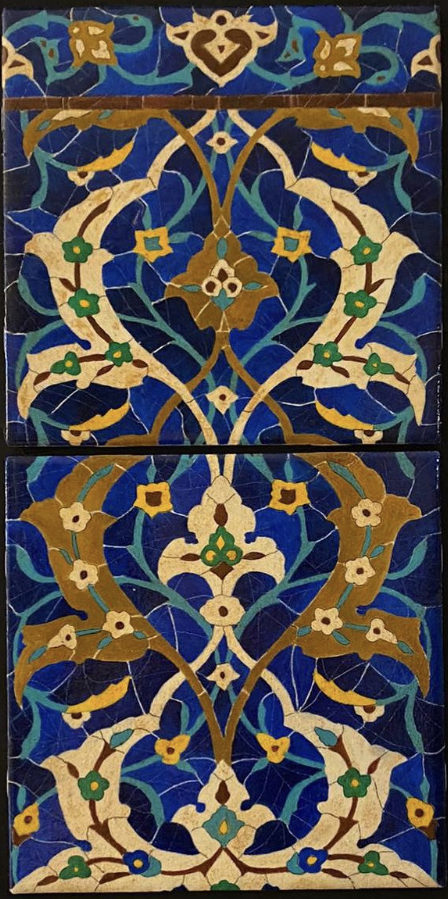
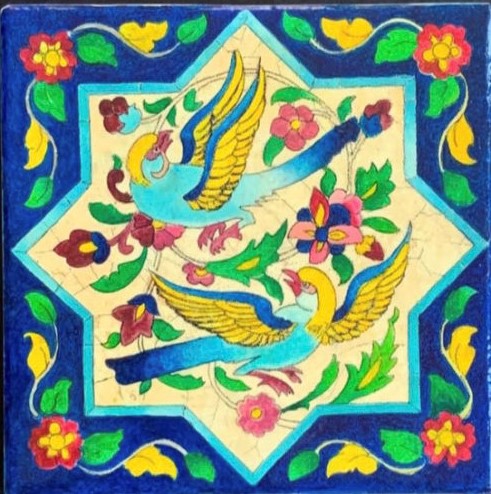
Exhibition 3: Roots and Cultural Heritage
Paths for Connection and Healing
Art Project 1400 Third Stage: Roots, Culture, and Communal Healing/Resilience Building
ICC health committee is proud to start the next phase of its Art Project with great enthusiasm. Since the last two phases of ICC Art Project 1400 were well-received by the community, the ICC health committee is embarking on the next stage of this project. As we have emphasized before, the Art Project 1400 is about mental health. More precisely, it is about using art and artistic expressions for creating resilience and community empowerment in facing massive upsetting events such as the current pandemic.
Art Project 1400 Third Stage: Roots, Culture, and Communal Healing/Resilience Building
Art Project 1400 Third Stage: Roots, Culture, and Communal Healing/Resilience Building
ICC health committee is proud to start the next phase of its Art Project with great enthusiasm. Since the last two phases of ICC Art Project 1400 well-received by the community, the ICC health committee is embarking on the next stage of this project. As we have emphasized before, the Art Project 1400 is about mental health. More precisely, it is about using art and artistic expressions for creating resilience and community empowerment in facing massive upsetting events such as the current pandemic.
It is well-known that traditions and understanding cultural roots give people a sense of belonging. Emphasizing on our roots and being belong to something greater than ourselves generates solidarity, and help us, as members of a community, to feel closer together and to have the experience of valorizing common roots, which in turn elevate our community morals to a higher level of tolerance, hence help us in facing calamities. At this stage, we intend to explore the domain of arts and artifacts that are bearing or expressing cultural value as a role player in the community’s mental health.
As research shows, migrant communities benefit greatly from a boost in their morals when they can be energized by celebrating their cultural heritage in their hearts and in their new environment. In Canada, with its multiculturality, the common policy is to encourage the members of each cultural community to embrace other migrants’ heritage and culture. For this reason, at this stage of our project, the committee has decided to launch an online exhibition of arts and artifacts from both Iran and Canada side by side with a focus on pottery. Our objective is to highlight the Iranian and Canadian cultural heritage as staging a spectacle of diversity and pride for the Iranian Canadians. By creating an online exhibition, where our roots and cultures can be celebrated and cherished, we hope to create a visual enriching and exhilarating experience.
Our decision has been based on research findings that indicate that racialized and ethnic minorities, immigrants included, are subjected to various discriminations. And we know that discrimination severely impacts people’s mental health[i]. Moreover, studies show that racial and cultural minorities in Canada, in our case the Iranian immigrants are likely to have less access to mental health care services[ii]. Lack of access to the services is also a problem with non-racialized communities, but the issue is more severe for the racialized/immigrant communities due to increasing evidence of systematic racism. For this reason, ICC is trying to focus on the community’s mental health more seriously.
We wish to bring the community together to ease tensions and create a sense of belonging during our project. We want to celebrate Iran’s cultural heritage alongside with that of the First Nation Canadian to establish a sense of communal empowerment and create a feeling grounded in history and culture.
Our emphasis is on pottery for two reasons: first, pottery is closely related to the earth. Pottery has thousands of years history in Iran, and for the First Nation the earth is sacred as one of the vital elements that has close ties to the environment. The second reason is that in pottery, the artist can prompt a sense of being rooted in a highly turbulent time as we have been witnessing. Being engaged in traditions and practicing cultural heritage can be a psychologically meaningful experience that can generate a sense of unity and connection.
[i] McGuire, T. G., & Miranda, J. (2008, Mar-Apr). New evidence regarding racial and ethnic disparities in mental health: policy implications. Health affairs (Project Hope), 27(2), 393-403. https://doi.org/10.1377/hlthaff.27.2.393
[ii]https://www.canada.ca/en/public-health/services/health-promotion/population-health/what-determines-health/social-determinants-inequities-black-canadians-snapshot.html
برنامه هنری 1400 مرحله سوم: ریشه ها، فرهنگ، و درمان اجتماعی/ایجاد تاب آوری
کمیته بهداشت کنگره ایرانیان کانادا (ICC) مفتخر است که فاز دیگری از برنامه هنری خود را با اشتیاق فراوان برگزار کند. از آنجایی که دو مرحله پیشین این برنامه با استقبال خوبی مواجه شد، کمیته بهداشت ICC در نظر دارد که مرحله بعدی این برنامه را راه اندازی کند. همانطور که قبلا تاکید کرده ایم، پروژه هنری ۱۴۰۰ در مورد سلامت روان است. به طور دقیق تر، این برنامه در باب استفاده از هنر و بیان هنری برای ایجاد تاب آوری عمومی و توانمند سازی جامعه در مواجهه با رویدادهای ناراحت کننده و گسترده ای مانند همه گیری کنونی است.
می دانیم که سنت ها و درک ریشه های فرهنگی احساس تعلق را در مردم زنده می کند. تأکید بر ریشهها و یادآوری تعلق داشتن به چیزی بزرگتر از خودمان، در یک جامعه ایجاد نوعی همبستگی کرده، به ما به عنوان اعضای یک جامعه کمک میکند تا احساس نزدیکی بیشتری به هم داشته باشیم. تجربه ی ارزشگذاری ریشههای مشترکمان به نوبه خود روحیه مقاومت جمعی ما را در مواجهه با مصائب به سطح بالاتری ارتقا میدهد. در اجرای این مرحله قصد داریم به کاوش در حوزه هنری آثاری باستانی بپردازیم. آثاری که حاوی یا بیانگر ارزشهای فرهنگی هستند، ارزشمندیهایی که نمایش آنها آنگونه که گفتیم میتواند در سلامت روان جامعه نقش بازی کند.
پژوهشها متعددی نشان میدهد که جوامع مهاجر با جشن گرفتن میراث فرهنگی خود در قلبها و در محیط جدیدشان نیرویی تازه گرفته و روحیه آنها تقویت می شود. در کانادا نیز که کشوری چندفرهنگی ست، سیاست عمومی مبتنی بر تشویق اعضای هر جامعه فرهنگی به پذیرش میراث و فرهنگ دیگر مهاجران است. به همین دلیل، در اجرای این مرحله از برنامه، کمیته تصمیم گرفته است نمایشگاه آنلاینی از هنرها و آثار هنری ایران و کانادا را در کنار هم با محوریت سفالگری راه اندازی کند. هدف ما نمایش متنوع میراث فرهنگی ایران و کانادا برای ایرانیان کانادایی ست به عنوان نمایشی از چندگانگی و غرور. با ایجاد یک نمایشگاه آنلاین، که در آن ریشهها و فرهنگهای ما قابل تجلیل و گرامی داشت است، امیدواریم بتوانیم تجربه بصری غنی و نشاط آوری ایجاد کنیم.
تصمیم ما بر مبنای یافتههای پژوهشی است که نشان میدهد اقلیتهای نژادی و قومی، از جمله مهاجران، در معرض تبعیضهای مختلف هستند. می دانیم که تبعیض به شدت بر سلامت روان افراد تأثیر می گذارد[i]. علاوه بر این، مطالعات نشان میدهد که اقلیتهای نژادی و فرهنگی در کانادا، در این مورد مهاجران ایرانی، احتمالاً دسترسی کمتری به خدمات و مراقبتهای رواندرمانی دارند[ii]. عدم دسترسی به خدمات رواندرمانی به علاوه مشکلی در جوامع فارغ از تبعیض نژادی نیز هست، اما این موضوع به ویژه برای جوامع مهاجر به دلیل افزایش شواهد نژادپرستی سیستماتیک شدیدتر است. به همین دلیل ICC در تلاش است تا به طور جدی تری بر مسئله سلامت روان جامعه تمرکز کند.
ما می خواهیم افراد را دور هم جمع کنیم تا تنش های آنها را کاهش دهیم و در طول اجرای برنامه ی خود در افراد احساس تعلق و اتحاد ایجاد کنیم. میخواهیم میراث فرهنگی ایران را در کنار میراث بومیان کانادا جشن بگیریم تا حسی از توانمندی جمعی ایجاد کنیم و نوعی حس پایداری تاریخی و فرهنگی پدید آوریم.
تاکید ما بر سفالگری به دو دلیل است: اول اینکه سفالگری با خاک و زمین ارتباطی تنگاتنگ دارد. سفالگری در ایران قدمتی هزاران ساله دارد و برای بومیان کانادا نیز خاک وزمین به عنوان یکی از عناصر مقدس که پیوندی نزدیک با محیط زیست دارد گرامی است. دلیل دوم این است که در سفالگری، هنرمند میتواند حس ریشهدار بودن و ثبات را در شرایطی بسیار پرتلاطم، مانند زمانه ای که شاهد آنیم، القا کند. التزام به سنت ها و تجربه میراث فرهنگی از نظر روانشناختی می تواند تجربه ای معنادار باشد. تجربه ای که در افراد می تواند احساس یگانگی و ارتباط ایجاد کند.
[i] McGuire, T. G., & Miranda, J. (2008, Mar-Apr). New evidence regarding racial and ethnic disparities in mental health: policy implications. Health affairs (Project Hope), 27(2), 393-403. https://doi.org/10.1377/hlthaff.27.2.393
[ii]https://www.canada.ca/en/public-health/services/health-promotion/population-health/what-determines-health/social-determinants-inequities-black-canadians-snapshot.html
Projet d’art 1400 Troisième étape: enracinement, culture et guérison communautaire / renforcement de la résilience
Projet d’art 1400 Troisième étape: enracinement, culture et guérison communautaire / renforcement de la résilience
C’est avec fierté que le Comité de santé de l’ICC entreprend la prochaine phase de son projet artistique. Encouragé par l’accueil enthousiaste réservé aux deux premières phases du ICC Projet d’Art 1400, le comité de santé de l’ICC se lance dans la prochaine étape de ce projet. Comme nous l’avons souligné précédemment, le Projet d’Art 1400 concerne la santé mentale. Plus précisément, il s’agit d’utiliser l’art et les expressions artistiques pour créer une résilience de la communauté et un sentiment de reprise en main de son destin face à des événements bouleversants tels que la pandémie actuelle.
Il est bien connu que les traditions et la compréhension des racines culturelles donnent aux gens un sentiment d’appartenance. Mettre l’accent sur nos racines et appartenir à quelque chose de plus grand que nous-mêmes génère de la solidarité et nous aide, en tant que membres d’une communauté, à nous sentir plus proches et à faire l’expérience de la valorisation des racines communes, qui à leur tour élèvent la morale de notre communauté à un niveau supérieur de tolérance, donc aide-nous à faire face aux calamités. À ce stade, nous avons l’intention d’explorer le domaine des arts et des artefacts qui portent ou expriment une valeur culturelle en tant qu’acteur dans la santé
mentale de la communauté.
Comme le montre la recherche, les communautés de migrants bénéficient grandement d’un regain de moral lorsqu’elles peuvent être énergisées en célébrant leur héritage culturel au sein d’elles-mêmes et dans leur nouvel environnement. Au Canada, avec sa multiculturalité, la politique commune est d’encourager les membres de chaque
communauté culturelle à accueillir et à s’intéresser au patrimoine et à la culture des autres migrants. Pour cette raison, à ce stade de notre projet, le comité a décidé de présenter une exposition en ligne d’arts et d’artefacts d’Iran et du Canada côte à côte en mettant l’accent sur la poterie. Notre objectif est de faire rayonner le patrimoine culturel
iranien et canadien en mettant en scène un spectacle de diversité et de fierté pour les Canadiens d’origine iranienne. En créant une exposition en ligne, où nos racines et nos cultures peuvent être célébrées et mises en valeur, nous espérons créer une expérienc visuelle enrichissante et exaltante.
Notre décision a été fondée sur des résultats de recherche qui indiquent que les minorités racialisées et ethniques, y compris les immigrants, sont soumises à diverses discriminations. Et nous savons que la discrimination affecte gravement la santé mentale des personnes[i]. De plus, des études montrent que les minorités raciales et
culturelles au Canada, et en l’occurrence les immigrants iraniens, sont susceptibles d’avoir moins accès aux services de soins de santé mentale[ii]. Le manque d’accès aux services est également un problème avec les communautés non racialisées, mais le problème est plus grave pour les communautés racialisées/immigrantes en raison des
preuves croissantes de racisme systématique. Pour cette raison, ICC essaie de se concentrer plus sérieusement sur la santé mentale de la communauté.
Nous souhaitons rassembler la communauté pour apaiser les tensions et créer un sentiment d’appartenance par le biais de notre projet. Nous voulons célébrer le patrimoine culturel de l’Iran aux côtés de celui de la Première nation canadienne pour établir un sentiment d’autonomisation communautaire qui puise sa source dans l’histoire
et la culture.
La poterie, comme pierre angulaire de ce projet tient à deux raisons : la première5; cet art est étroitement liée à la terre. La poterie a des milliers d’années d’histoire en Iran, et pour la Première nation, la terre est sacrée comme l’un des éléments vitaux qui a des liens étroits avec l’environnement. La deuxième raison est qu’au travers de la poterie,
l’artiste peut susciter un sentiment d’enracinement dans une époque mouvementée et anxiogène comme celle dans laquelle nous évoluons. Être engagé dans les traditions et pratiquer le patrimoine culturel peut s’avérer une expérience psychologiquement significative qui peut générer un sentiment d’unité et de connexion.
[i] McGuire, T. G., & Miranda, J. (2008, mars-avril). Nouvelles preuves concernant les disparités raciales
et ethniques en santé mentale5: implications politiques. Affaires de santé (Projet Hope), 27(2), 393-403.
https://doi.org/10.1377/hlthaff.27.2.393
[ii]https://www.canada.ca/fr/public-health/services/health-promotion/population-health/what-determines-
health/social-determinants-inequities-black-canadians-snapshot.html

Opening Ceremony
Opening Ceremony

featuring a preface from Dr. Arezoo (Saideh) Khadir and Daniel Sarvestani
hosted by Dr. Catherine Richardson
Welcome to Virtual Exhibition Rooms
Pottery is the first synthetic material ever created by humans. The term refers to objects made of clay, a mixture of earth and water. When mankind discovered fire, the pottery left near the fire was hardened. Experimentation eventually led to hotter fires and kilns. As time wore went on, ancient men discovered how to decorate their pots and add glazes. Earth, water, and fire were sacred elements in many ancient cultures.
Virtual Exposition Rooms
Welcome to Virtual Exposition Rooms The Iranian Canadian Congress is proud to announce the launch of the third stage of its Art Project 1400 on December 21, synchronous with the Persian celebration of winter solstice, a long-lasting Persian tradition, Shab-e-Yalda. In this exhibition, we have three rooms: Room 1 (Iranian Antiquity), Room 2 (Contemporary Art), Room 3 (First Nation’s Antiquity). It is well-known that traditions and understanding cultural roots give people a sense of belonging to something greater than themselves. This exhibition, emphasizing on pottery, is exploring the domain of arts and artifacts that are bearing or expressing cultural values. We want to celebrate Iran’s cultural heritage alongside with that of the Canadian First Nation’s to establish a sense of communal empowerment and create a feeling grounded in history and culture. Our project is about communal healing and Shab-e-Yalda which is the darkest and longest night of the year can symbolically be considered as an occasion in which the Persian families come together for support, healing, and building community resilience to face the longest and darkest night. It is the time for gathering in unity and solidarity and looking forward to a new beginning when the darkness fades out and the brightness of light fades in. We hope you enjoy this collection. Pottery is the first synthetic material ever created by humans. The term refers to objects made of clay, a mixture of earth and water. When mankind discovered fire, pottery left near it was hardened. Experimentation eventually led to hotter fires and kilns. As time wore on, ancient men discovered how to decorate their pots and add glazes. Earth, water, and fire were sacred elements in many ancient cultures. The addition of decorating elements to pottery helped define separate cultures. It gave each tribe a mode of cultural expression in the world. What started as a way to satisfy primitive needs, then its joyful creation became a way to identify various cultures. This was the beginning of art in both pottery and ceramics. Pieces of this ancient art are still being found at archeological sites today. The art of pottery making dates all the way back to the Neolithic revolution. In the Kingdom of Ancient Iran dates to more than 10,000 years ago and in Canada the earliest ceramics were made in the northern Yukon more than 3,500 years ago. As well as many other cultures, earth, water, and fire were sacred elements in the ancient Iranian culture. Mazdak, one of ancient Iranian prophets for example, believed as the three elements are God-givens to all human, they are to be respectfully preserved (not to be contaminated) and neither them nor anything made from them can be essentially owned. Canada’s Arctic regions can be traced to the culturally rich lands draining into the valley of the Mississippi River. Inuit believed that all things had a form of spirit, including humans. By believing that all things, including animals, have souls any treatment of the nature failed to show appropriate respect and customary supplication would only give the liberated spirits cause to avenge themselves. Thus, respecting nature, in its own mythological way, has been part and parcel of the aboriginal people. And to this day it has been shown that aboriginal social-ecological systems in some areas have been found to be far more resilient and sustainable than European methods post-colonisation. As we see, in both Iranian and Indigenous Canadian cultures, respecting nature and conserving it are essential parts of their culture. Pottery, as one on the earliest form of art, symbolizes human relation to earth and water, which are among the most valuable elements even to this day. As a modern artist, Elin Hughes, says, pottery is also about making balance, a balance of maker and material, of human and non-human forces and therefore has connections with modern ecological interpretations of material agency. It presents the harmony, balance and beauty of opposites also known as polarity: earth-water, water-fire, dark-light, and the like. It is making functional sculptures that symbolizes our culture, roots, and our earliest connection to the nature. | ||
به اتاق های نمایشگاه مجازی خوش آمدید
سفال اولین ماده مصنوعی است که توسط انسان ساخته شده است. سفال به اشیایی اطلاق می شود که از مخلوطی از خاک و آب ساخته شده اند. زمانی که بشر آتش را کشف کرد، بشر مشاهده کرد که سفال های کنار آن سخت شدند. این تجربه در نهایت منجر به ابداع کوره های داغتر شد. با گذشت زمان، انسان باستان نحوه تزئین گلدان های و افزودن لعاب به آنها را را کشف کردند. زمین، آب و آتش در بسیاری از فرهنگ های باستانی عناصری مقدس بوده اند. افزودن عناصر تزئینی به سفال بیانگر مشخصه های فرهنگهای گوناگون شد و به هر قبیله ابزاری برای بیان فرهنگش در جهان داد. آنچه که در ابتدای پیدایشش راهی برای ارضای نیازهای اولیه بود، سپس خلق نشاط آور آن راهی برای شناسایی فرهنگ های مختلف گردید. این آغاز هنر در سفالگری و سرامیک بود. امروزه نیز هنوز قطعاتی از این هنر باستانی در کاوشهای باستان شناسی یافت می شود. قدمت هنر سفالگری به انقلاب نوسنگی باز می گردد. در پادشاهی ایران باستان قدمتی بیش از ۱۰۰۰۰ سال دارد و در کانادا قدیمی ترین سرامیک ها در شمال یوکان بیش از ۳۵۰۰ سال پیش ساخته شده اند. در فرهنگ باستانی ایران، زمین، آب و آتش نیز مانند بسیاری از فرهنگهای دیگر، از عناصر مقدس بودند. مزدک، یکی از پیامبران باستانی ایران، برای نمونه معتقد بود که این سه عنصر هدیه خدا به همه انسانها ست، باید با احترام حفظ شوند (آلوده نشوند)، نه آنها و نه چیزی که از آنها ساخته می شود اساساً قابل تملّک نیست. مناطق قطب شمال کانادا را می توان در زمره سرزمین های غنی فرهنگی که رد آنها به دره رودخانه میسیسیپی می رسد، برشمرد. اینوئیتها معتقد بودند که هر چیزی اعم از انسان و شئ دارای روح است. این باور که همه چیز، از جمله حیوانات، روح دارند، مبنای این باور بود که هر گونه رفتار نا محترمانه با طبیعت و عدم رعایت مراسم روحانی مربوطه منجر به آزردگی ارواح رها شده می شود و انتقام جویی آنها را بر می انگیزد. بنابراین، میتوان گفت احترام به طبیعت، به این شیوه اساطیری، جزئی از فرهنگ مردم بومی کانادا بوده است. امروزه نیز نشان داده شده است که سیستمهای اجتماعی-اکولوژیکی بومیان در برخی مناطق بسیار انعطاف پذیر تر و پایدار تر از روشهای اروپایی پس از استعمار هستند. همانگونه که می بینیم، هم در فرهنگ ایرانی و هم در فرهنگ بومیان کانادا، احترام به طبیعت و حفظ آن از اجزاء ضروری فرهنگی ست. سفالگری به عنوان یکی از قدیمی ترین هنرها، نمادی از ارتباط انسان با خاک و آب است که حتی تا به امروز از ارزشمند ترین عناصر حیاتی هستند. الین هیوز، هنرمندی معاصر، می گوید، هنر سفالگری عبارت است از ایجاد تعادل، تعادلی میان هنرمند و مواد بیجان، میان نیروهای انسانی و غیر انسانی پس از این حیث ذیل تعاریف بوم شناختی مدرن از عاملیت مادی می گنجد. سفال هماهنگی، تعادل و زیبایی اضداد یا قطبها ی مخالف را مجسم می کند: تقابل خاک با آب، آب با آتش، تاریکی با روشنی و مانند آن. سفالگری عبارت است از ساخت مجسمه های کاربردی که نماد فرهنگ، ریشه ها و اولین رابطه ما با طبیعت است. | ||
Bienvenue dans les salles exposition virtuelles
Bienvenue dans les salles d’exposition virtuelles La poterie est le premier matériau synthétique jamais créé par l’homme. Le terme désigne des objets en argile, un mélange de terre et d’eau. Lorsque l’humanité a découvert le feu, la poterie laissée à proximité a été durcie. L’expérimentation a finalement conduit à des feux et des fours plus chauds. Au fil du temps, les hommes de l’Antiquité ont découvert comment décorer leurs pots et ajouter des glaçures. La terre, l’eau et le feu étaient des éléments sacrés dans de nombreuses cultures anciennes. L’ajout d’éléments de décoration à la poterie a aidé à définir des cultures distinctes. Il a donné à chaque tribu un mode d’expression culturelle dans le monde. Ce qui a commencé comme un moyen de satisfaire des besoins primitifs, puis sa joyeuse création est devenue un moyen d’identifier diverses cultures. Ce fut le début de l’art de la poterie et de la céramique. Des pièces de cet art ancien se trouvent encore aujourd’hui sur des sites archéologiques. L’art de la poterie remonte à la révolution néolithique. Dans le royaume de l’Iran antique, il y a plus de 10 000 ans et au Canada, les premières céramiques ont été fabriquées dans le nord du Yukon il y a plus de 3 500 ans. Comme de nombreuses autres cultures, la terre, l’eau et le feu étaient des éléments sacrés dans l’ancienne culture iranienne. Mazdak, l’un des anciens prophètes iraniens, par exemple, croyait que les trois éléments étaient donnés par Dieu à tous les humains, qu’ils devaient être respectueusement préservés (ne pas être contaminés) et ni eux ni aucun élément fabriqué à partir d’eux ne pouvaient être essentiellement possédés. Les régions arctiques du Canada peuvent être attribuées aux terres culturellement riches qui se déversent dans la vallée du fleuve Mississippi. Les Inuits croyaient que toutes les choses avaient une forme d’esprit, y compris les humains. En croyant que toutes les choses, y compris les animaux, ont une âme, tout traitement de la nature ne montrait pas le respect approprié et la supplication habituelle ne ferait que donner aux esprits libérés une raison de se venger. Ainsi, le respect de la nature, à sa manière mythologique, fait partie intégrante des peuples autochtones. Et à ce jour, il a été démontré que les systèmes socio-écologiques autochtones dans certaines régions se sont avérés bien plus résistants et durables que les méthodes européennes post-colonisation. Comme nous le voyons, la nature et sa conservation sont des éléments essentiels dans les cultures iraniennes et autochtones canadiennes. La poterie, en tant que l’une des premières formes d’art, symbolise bien la relation de l’humain avec la terre et l’eau, qui sont parmi les éléments les plus précieux encore à ce jour. En tant qu’artiste moderne, selon Elin Hughes, la poterie consiste également à créer un équilibre entre le fabricant et le matériau, entre les forces humaines et non humaines en lien avec les interprétations écologiques. Il présente l’harmonie, l’équilibre et la beauté des contraires également connus sous le nom de polarité : terre-eau, eau-feu, obscurité-lumière, etc. C’est faire des sculptures fonctionnelles qui symbolisent notre culture, nos racines et notre premier lien avec la nature. | ||
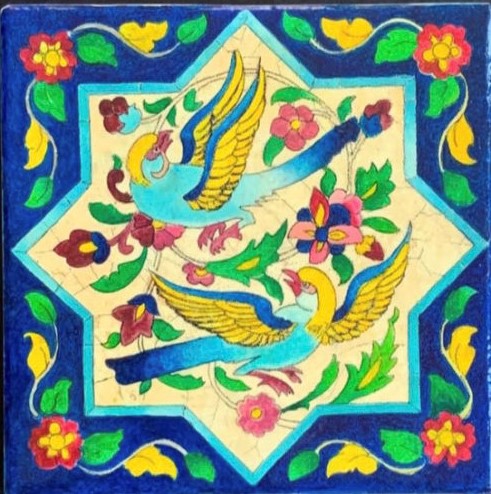
Exposition Room
اتاق ۱ | هنرهای بومیان کانادا
Salle 1 | Céramiques Anciennes Iraniennes Room 2 | Contemporary Canadian Ceramists
اتاق ۲ | هنرهای معاصر
Salle 2 | Céramistes Canadiens Contemporains Room 3 | First Nations Ancient Potteries
اتاق ۳ | هنر ایرانی
Salle 3 | Céramiques Anciennes des Premières Nations